Browser Hubs Merge Exploration Paths with Team-Based Reflex Challenges in Brief Multiplayer Formats
Written by Clara Perry · Oct 26, 2026
Browser Hubs Merge Exploration Paths with Team-Based Reflex Challenges in Brief Multiplayer Formats
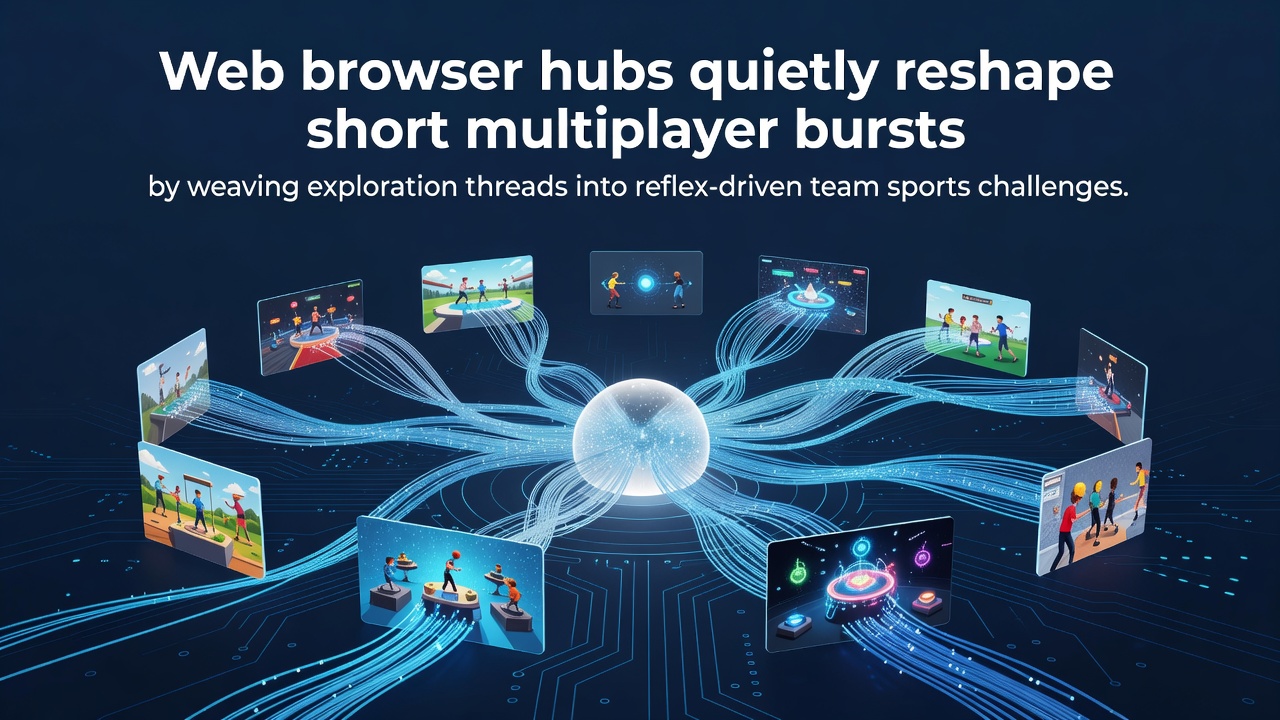
Web browser platforms continue to evolve their design approaches in October 2026, and data from industry tracking services shows increased integration of exploration sequences into short-duration multiplayer sessions that emphasize reflex actions and team coordination. These hubs deliver experiences where players navigate spatial layers while executing coordinated athletic maneuvers, and reports indicate session lengths typically range between three and seven minutes. Observers note that this structure allows participants to alternate between discovery tasks and competitive physical challenges without requiring extended commitments or downloads.
Core Design Patterns in Current Platforms
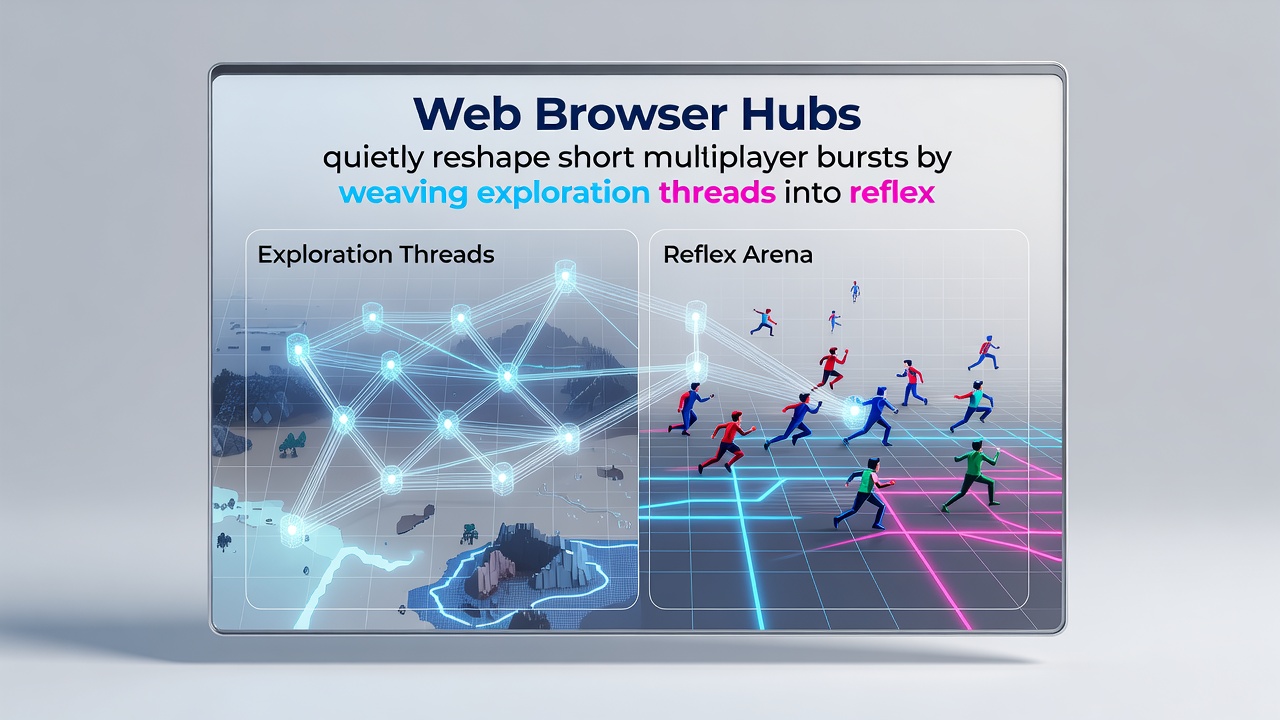
Developers construct these experiences around modular components that connect mapping elements with timed group objectives, and studies from research institutions document how exploration threads provide context for reflex-driven sports sequences. Players often collect environmental data points that influence subsequent team plays, whereas direct competition elements maintain focus on speed and positioning accuracy. Figures from the Interactive Games and Entertainment Association reveal that browser-based titles incorporating these hybrids accounted for 28 percent of new multiplayer releases during the first three quarters of 2026. Such patterns appear across multiple genres, yet the emphasis remains on brevity and accessibility through standard web interfaces.
Player Interaction Mechanics
Session structures guide groups through shared discovery phases before shifting into reflex contests, and evidence from platform analytics indicates higher retention when exploration segments last under ninety seconds. Teams coordinate movements across procedurally adjusted environments while pursuing athletic goals such as zone captures or object relays, and the transition between phases occurs through automatic triggers rather than manual selection. Researchers at academic centers have observed that these layered systems reduce setup time compared to traditional client-based games, allowing entry into active play within seconds of loading a page. Data shows that participants frequently engage in multiple rounds consecutively because the format supports immediate restarts without additional configuration steps.
Technical Foundations Supporting the Trend
Modern web standards enable real-time synchronization of exploration states with competitive action layers, and industry reports confirm that WebGL and WebRTC implementations handle the necessary rendering and networking loads on consumer devices. Platforms distribute processing between client browsers and lightweight servers, which minimizes latency during reflex sequences while maintaining consistent world states for exploration threads. Observers document that this architecture supports cross-device participation, including mobile browsers, and session logs demonstrate stable performance even on variable network connections. As of October 2026, updates to browser engines have further improved asset streaming, allowing richer environmental details without increasing load times.
Community and Platform Data
Usage statistics compiled by regional gaming associations indicate that daily active users on these integrated hubs reached 14 million across tracked services during September 2026, with peak activity occurring in evening hours across multiple time zones. Players report preferences for formats that interleave discovery with physical team tasks, and aggregate logs reveal average group sizes of four to six participants per session. European trade organizations have noted parallel growth in browser accessibility features, including adaptive controls that accommodate varied input devices during reflex segments. These metrics align with broader shifts toward instant-access gaming that does not require installation processes.
Examples of Implemented Systems
One documented case involves platforms where teams map hidden routes before engaging in coordinated ball-handling drills, and timing data shows that successful groups complete exploration segments in under sixty seconds before transitioning to scoring phases. Another implementation layers puzzle-like environmental scanning onto relay-style athletic events, with server records confirming that over 60 percent of sessions extend into repeat rounds. Researchers tracking these patterns have identified consistent use of shared visual indicators that communicate both exploration progress and reflex timing windows to all participants simultaneously. Such examples illustrate how the core fusion operates across different thematic settings without altering the underlying session brevity.
Conclusion
Platform records and industry analyses demonstrate that browser hubs have established reliable methods for combining exploration elements with reflex-driven team sports in short multiplayer bursts. Technical capabilities and usage patterns recorded through October 2026 support continued expansion of these formats across global audiences. The documented integration maintains focus on quick entry, coordinated play, and immediate restarts while leveraging web-native tools for broad accessibility.