Emerging Patterns in Instant Web Gaming Communities Highlight Intersections of Reflexive Skills, Puzzle-Solving, and Competitive Play Across Multiple Genres
Written by Wendy Baumann · Nov 9, 2026
Emerging Patterns in Instant Web Gaming Communities Highlight Intersections of Reflexive Skills, Puzzle-Solving, and Competitive Play Across Multiple Genres
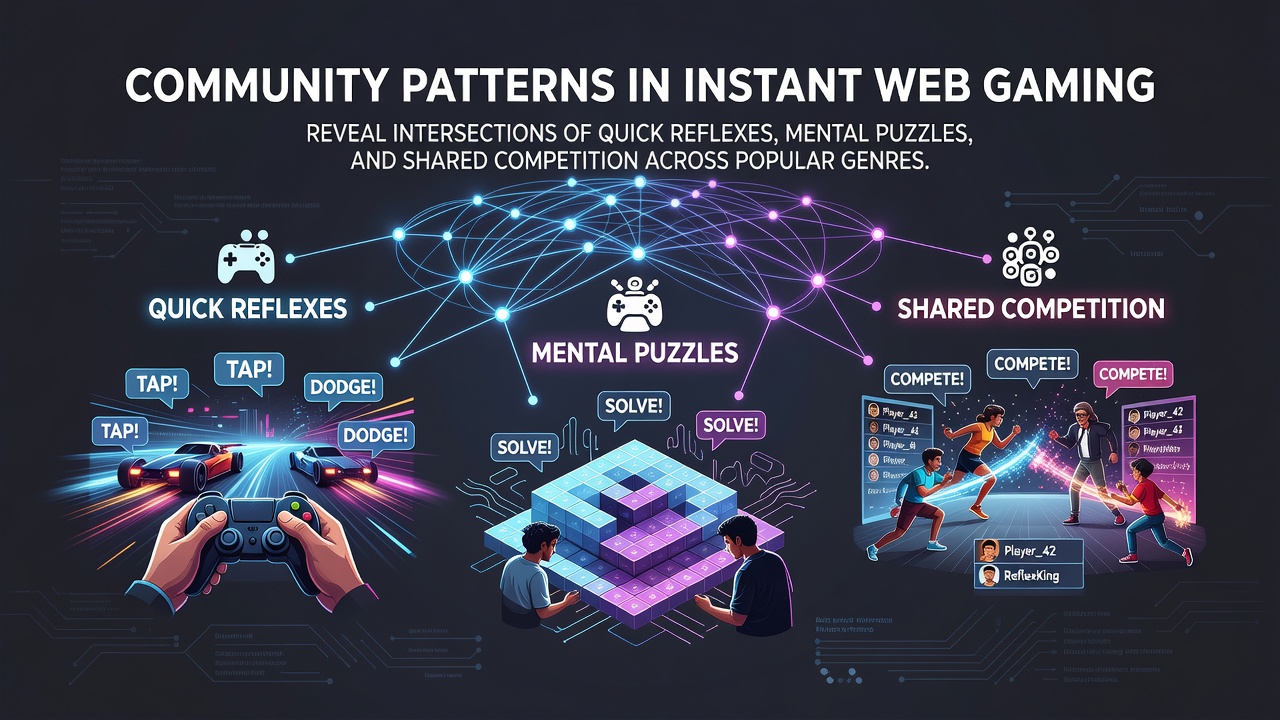
Instant web gaming platforms continue to attract large user bases through short sessions that combine rapid physical responses with layered mental challenges and group-based rivalries, according to industry reports from November 2026. These environments draw participants who navigate racing sequences alongside logic-based obstacles while coordinating strategies in real time, creating observable community structures that span action, puzzle, and sports categories.
Reflex Demands in Multiplayer Sessions
Quick reaction requirements appear across titles where players steer vehicles through dynamic tracks or time precise jumps in shared arenas, data from the Interactive Games and Entertainment Association shows increased participation in hybrid formats during 2025 and 2026. Observers note that these reflex elements integrate with puzzle mechanics when routes contain hidden switches or temporary barriers that demand both speed and spatial reasoning, turning individual runs into collective problem-solving exercises.
Communities form around leaderboards that track combined metrics, such as fastest completion times alongside puzzle solution accuracy, which encourages repeated play among groups rather than isolated attempts. Research from the University of Melbourne indicates that session lengths averaging under ten minutes support this pattern by allowing frequent returns without long commitments.
Puzzle Layers Within Action Frameworks
Mental puzzles embed themselves into racing and sports contexts through mechanisms like rearranging track segments mid-race or decoding opponent patterns in team matches, figures from the European Games Developer Federation reveal steady growth in such designs across browser-accessible titles. Players often discover that success hinges on recognizing environmental cues that blend visual timing with deductive steps, as one documented case in a popular arena sports hybrid demonstrated groups developing shared shorthand for signaling solutions during live rounds.
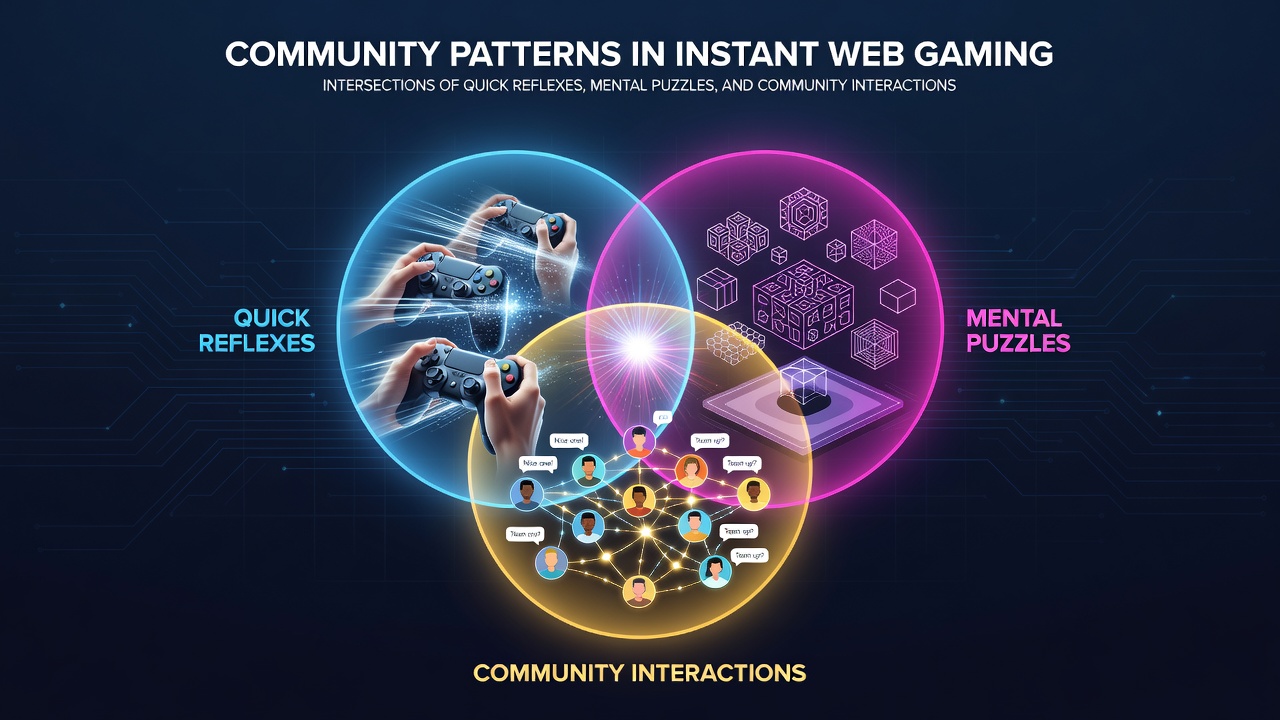
Those who study participation trends report that forums and in-game chat channels frequently exchange maps or sequences that solve recurring logic hurdles, extending the competitive loop beyond single matches. Data collected through platform analytics in late 2026 shows higher retention rates when puzzle density increases without slowing core action pacing.
Shared Competition as Community Glue
Team-based rivalries emerge when players form temporary alliances to tackle mixed-genre challenges, whether coordinating vehicle formations in puzzle-racing events or dividing roles in sports arenas that incorporate strategy grids. Reports compiled by the Canadian Interactive Digital Entertainment Association highlight how these structures mirror traditional esports formats yet operate within browser constraints that emphasize accessibility over hardware demands.
Communities track seasonal events where cumulative scores reflect both individual reflexes and group puzzle resolutions, fostering repeat engagement across time zones. One analysis of November 2026 activity logs found that multiplayer lobbies with integrated voice or text overlays recorded elevated coordination success rates compared to solo modes.
Cross-Genre Community Behaviors
Participants migrate between genres while carrying tactics developed in one area to another, such as applying racing line optimization to puzzle navigation or using sports positioning awareness in exploration hybrids. Evidence gathered by academic researchers at the University of Sydney points to these transfers strengthening overall community bonds through shared vocabulary and replay analysis sessions.
Platform data indicates that users who engage with multiple categories within the same ecosystem log longer total play hours, while maintaining distinct subgroups focused on specific intersections like reflex-puzzle or competition-logic blends. External links to regulatory bodies such as the Interactive Games & Entertainment Association provide further context on regional participation patterns without overlapping prior coverage.
Conclusion
Community patterns observed in instant web gaming reflect consistent intersections where quick reflexes support puzzle resolution and shared competition sustains ongoing involvement across popular genres. Metrics from 2026 continue to document these dynamics through platform statistics and regional association reports, underscoring the structural role of short-burst multiplayer formats in connecting diverse player groups.